
Zalto Denk’Art · the whole range
Zalto Wine Glasses, Shape by Shape
Seven glasses, one family. Which one suits the wine you drink most, and the order to buy them in.
By Alper Billik, Advanced Sommelier15 years serving wine
As an Amazon Associate I earn from qualifying purchases. How this works

The short answer
Zalto makes one family of mouth-blown, lead-free crystal wine glasses, called Denk’Art. Buy the Zalto Universal first: it handles reds, whites and sparkling wine. Then add the Burgundy for Pinot Noir or the Bordeaux for Cabernet, and the Champagne glass third. The other shapes are for specialists.
From hotel service
Zalto was one of the glasses I used most in hotel service, alongside Riedel, Schott Zwiesel and Chef & Sommelier. For serious tasting, Zalto is the glass I choose, and if I could keep only one glass, it would be a Zalto. It is fragile: in service we carried it very carefully, and I suggest washing it by hand.
One, two or three Zaltos
If you buy one
Universal
Red, white and sparkling wine, all in one glass.
Universal on Amazon ↗If you buy two
+ Burgundy or Bordeaux
The Burgundy if you love Pinot Noir and Nebbiolo. The Bordeaux if you open Cabernet.
Burgundy on Amazon ↗If you buy three
+ Champagne
A tulip for bubbles. Or skip it: the Universal pours Champagne beautifully.
Champagne on Amazon ↗
The seven Zalto wine glasses
Every Zalto sits at the premium price level ($$$$). The buttons open today’s price on Amazon.
- 01
Start here
Zalto Universal
Best for: Riesling, Grüner Veltliner, mineral Chardonnay such as Chablis, Chianti, complex sparkling wine
If you buy one Zalto, buy this. The bowl is big enough for a red to open and slim enough at the rim to keep a white fresh, and it shows Champagne better than a flute.
- 02
For Pinot Noir
Zalto Burgundy
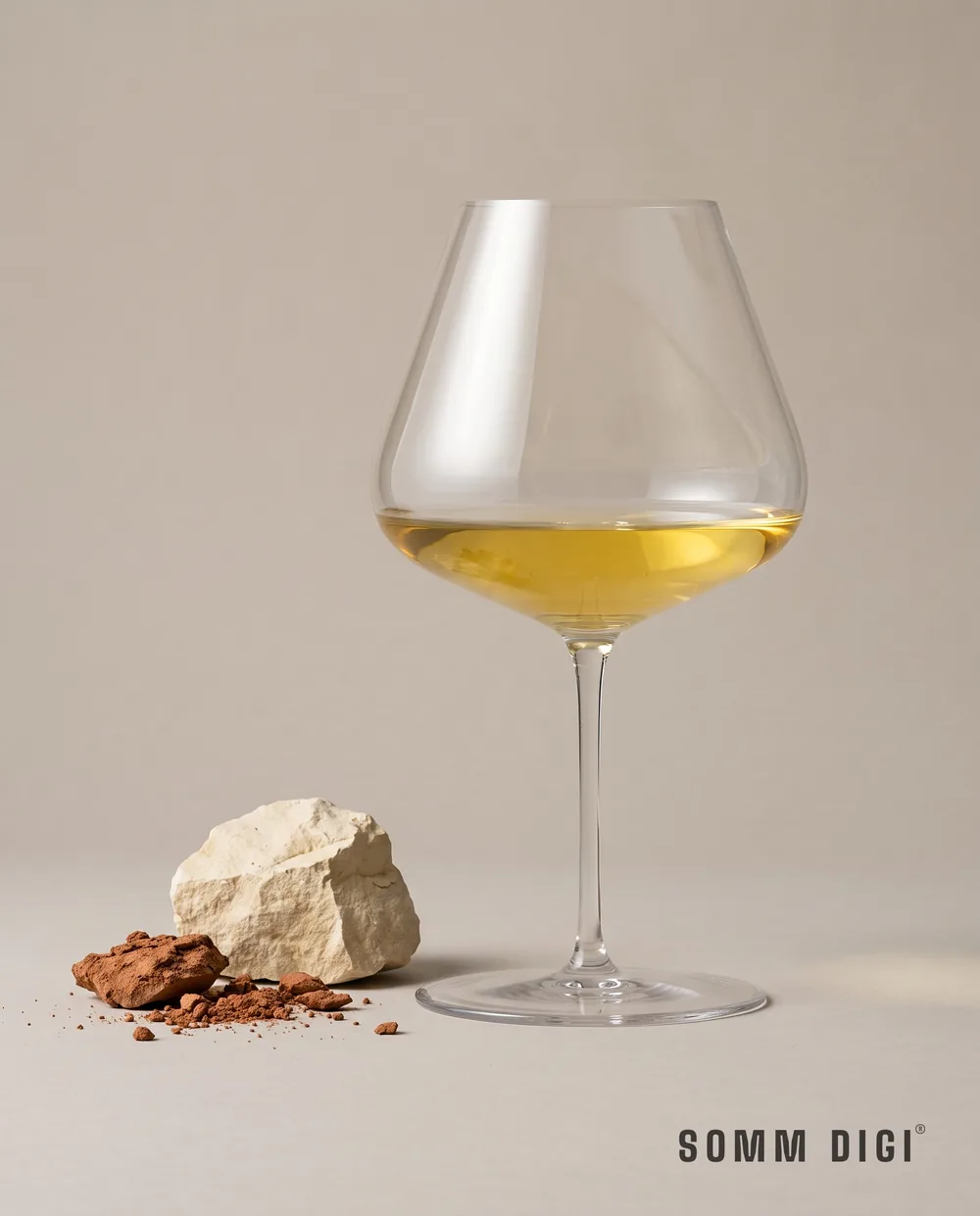
Best for: Pinot Noir, Nebbiolo, Syrah, concentrated Chardonnay such as white Burgundy
The widest bowl in the range. It gives fragrant reds room to open and gathers every layer of their perfume. It is also the most fragile Zalto, and the hardest to fit in a cupboard.
- 03
For Cabernet
Zalto Bordeaux
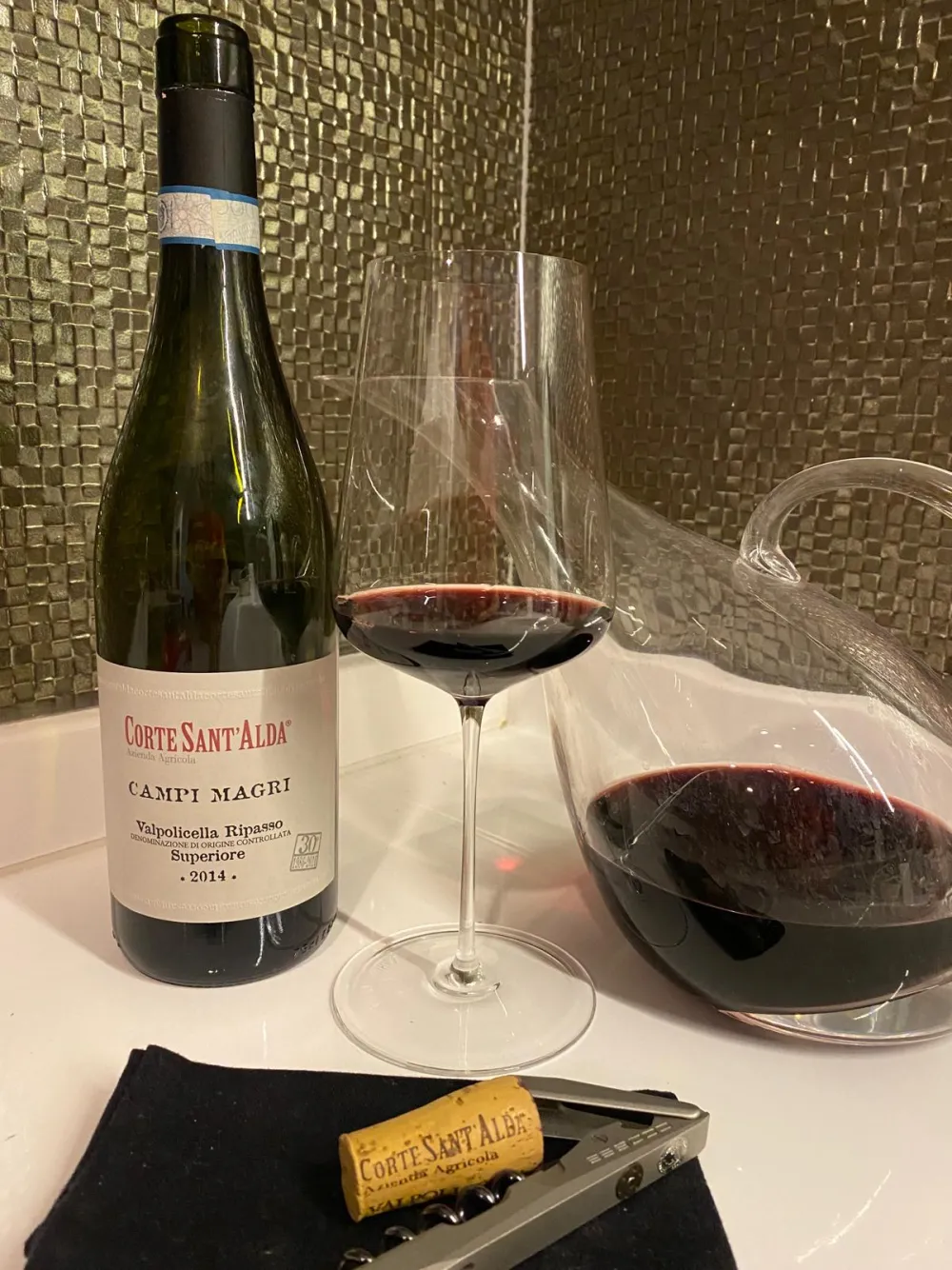
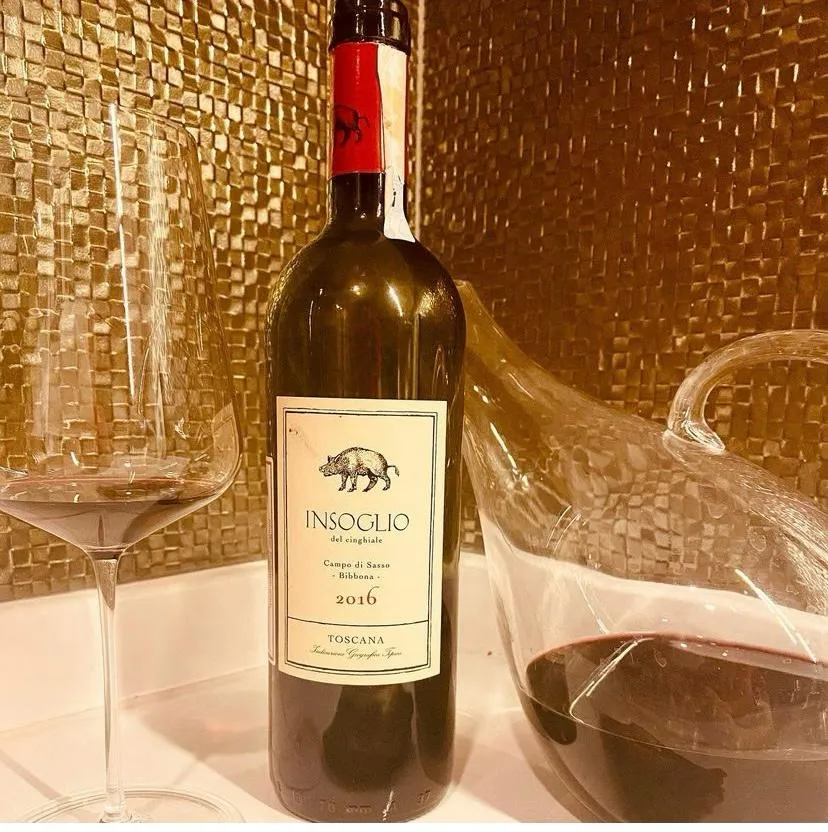
Corte Sant'Alda Campi Magri 2014, Valpolicella Ripasso Superiore, in the Zalto Bordeaux. Best for: Cabernet Sauvignon, Bordeaux blends, Syrah, Brunello
Tall and tapered. It softens firm tannin and keeps dark fruit driving forward. The second glass to buy if big reds are what you open most.
Alper on the Bordeaux glass, at sommdigi.com ↗ - 04
For crisp whites
Zalto White Wine
Best for: Riesling Kabinett, Sauvignon Blanc, Muskateller, rosé
A smaller bowl that keeps a chilled wine cold and its aromas tight. Lovely, but the Universal already does most of this job, so it is a second glass, not a first.
- 05
For bubbles
Zalto Champagne
Best for: Champagne, Crémant, Franciacorta, Cava
A tall tulip, not a flute: room for aroma at the bottom, a narrower top that keeps the bubbles lively. For a great vintage Champagne, the Universal is just as good.
- 06
For orange wine
Zalto Balance
Best for: Orange wine, oaked Chardonnay, whole-bunch reds, long-aged sparkling wine
The newest shape, from 2024. It is built for wines with grip and texture that fit neither the classic red bowls nor the white. A specialist's glass.
- 07
For dessert wine
Zalto Sweet Wine
Best for: Sauternes, Auslese, Ice Wine, Port
A small bowl for a small pour. It concentrates the honey and dried-fruit aromas of sweet wine and keeps the alcohol away from your nose.
As an Amazon Associate I earn from qualifying purchases.
Which wine, which Zalto
The Zalto glass for each style of wine
| You drink | Best Zalto | Also works |
|---|---|---|
| A bit of everything | Universal | Nothing else needed |
| Pinot Noir, Nebbiolo, Syrah | Burgundy | Universal |
| Cabernet, Bordeaux blends, Rioja | Bordeaux | Universal |
| White Burgundy, concentrated Chardonnay | Burgundy | Universal |
| Oaked Chardonnay | Balance | Burgundy |
| Chablis, Grüner Veltliner | Universal | White Wine |
| Riesling Kabinett, Sauvignon Blanc | White Wine | Universal |
| Rosé | White Wine | Universal |
| Champagne and sparkling wine | Champagne | Universal |
| Orange and skin-contact wine | Balance | Bordeaux |
| Sauternes, Auslese, Port | Sweet Wine | White Wine |
Are Zalto glasses worth it?
Yes, if you drink good wine a few times a week and enjoy noticing the difference between bottles. The glass is so thin and light that it gets out of the way: the aroma comes through clearly and the wine feels finer on the lips.
No, if a broken glass would spoil your evening, or everything goes into a busy dishwasher. Then Schott Zwiesel’s tougher crystal serves you better.
The full verdict: our Zalto reviewWhat does Denk’Art mean?
Denk’Art is the name of Zalto’s mouth-blown range, named after Hans Denk, the Austrian priest and wine thinker who designed the shapes. Every glass on this page belongs to it, which is why Amazon lists them as “Zalto Denk’Art”.
Zalto wine glasses: FAQ
Which Zalto glass should I buy first?
The Zalto Universal. It handles red, white and sparkling wine well, so one glass covers almost every bottle. Add the Burgundy for Pinot Noir and Nebbiolo or the Bordeaux for Cabernet, and the Champagne glass after that.
Which Zalto glass is best for red wine?
The Burgundy for fragrant reds such as Pinot Noir and Nebbiolo, the Bordeaux for powerful reds such as Cabernet Sauvignon and Syrah. If you want only one glass, the Universal handles both well.
Why are Zalto glasses so expensive?
Each glass is mouth-blown by hand in Austria from lead-free crystal, and the bowl and rim are far thinner than on a machine-made glass. You pay for the handwork and the lightness.
Are Zalto glasses dishwasher safe?
Zalto says yes, on a gentle cycle at low temperature. Most sommeliers still wash them by hand, because the thin crystal can crack when glasses knock together.
What does Denk'Art mean?
Denk'Art is the name of Zalto's mouth-blown range, named after Hans Denk, the Austrian priest and wine thinker who designed the shapes. The Universal, Burgundy, Bordeaux, White Wine, Champagne, Balance and Sweet Wine glasses all belong to it.
Where are Zalto glasses made?
In Austria. Zalto glasses are mouth-blown in the Waldviertel, in the north of Lower Austria.