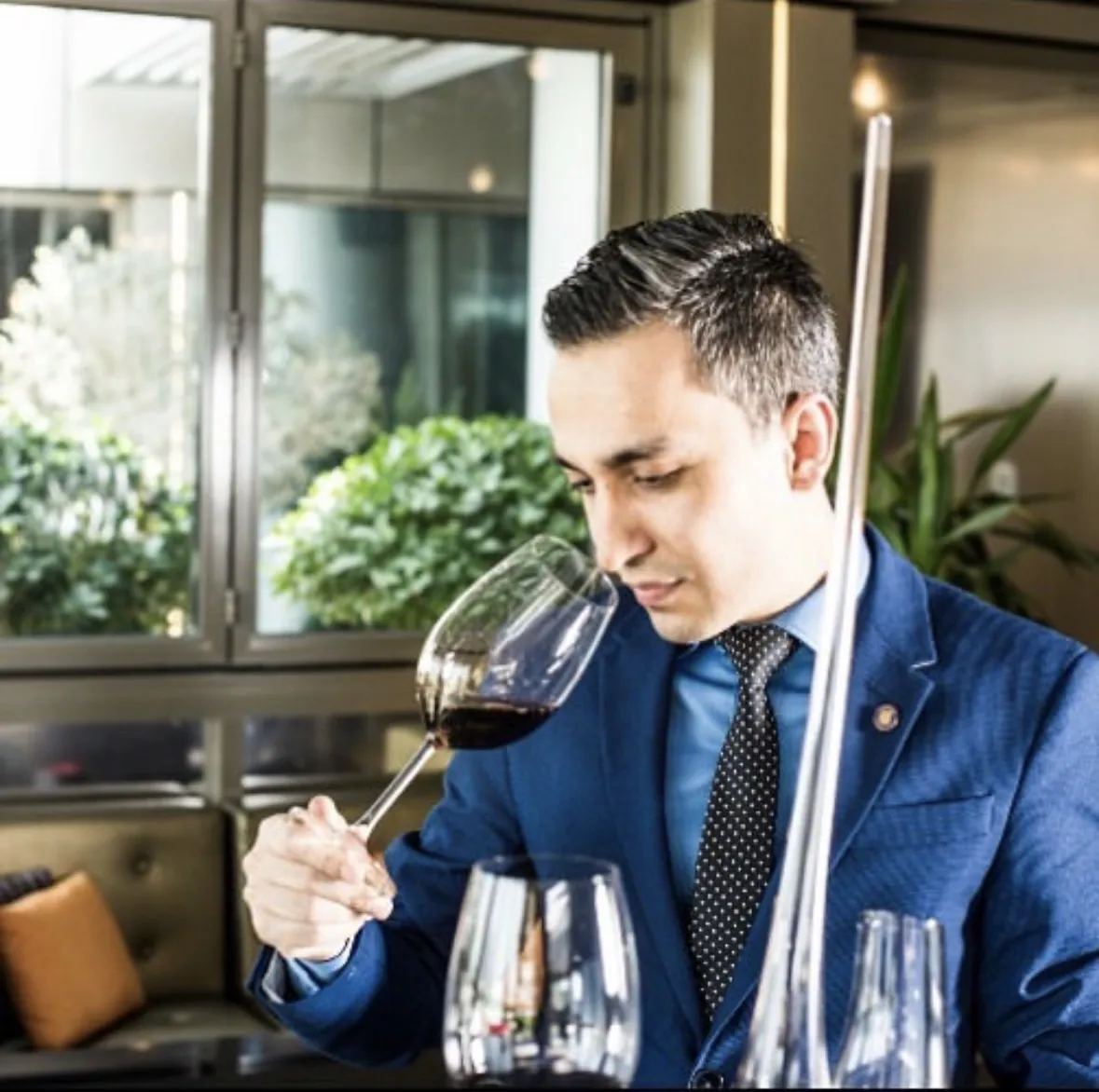
The sommelier’s guide
There is no best wine glass. There is your favorite.
After 15 years as a sommelier, I choose a glass by the wine and the moment. Here is my glass for each one.
Read the sommelier’s guide(01) Start here
One well-made universal glass handles red, white and sparkling better than most people expect. Here's when that's enough — and when it isn't.
By Alper Billik, Advanced Sommelier15 years serving wine
As an Amazon Associate I earn from qualifying purchases. How this works
Short on time? The sommelier’s picks
Zalto Denk’Art Universal$$$$
AmazonCheck today’s priceRiedel Veloce$$$
AmazonCheck today’s priceSchott Zwiesel Tritan$$
AmazonCheck today’s priceChef & Sommelier Open Up$
AmazonCheck today’s priceThe sommelier’s guide
After 15 years as a sommelier, I choose a glass by the wine and the moment. Here is my glass for each one.
Read the sommelier’s guide
Editor's pick
The reference standard — and who should not buy it
Read the Zalto guide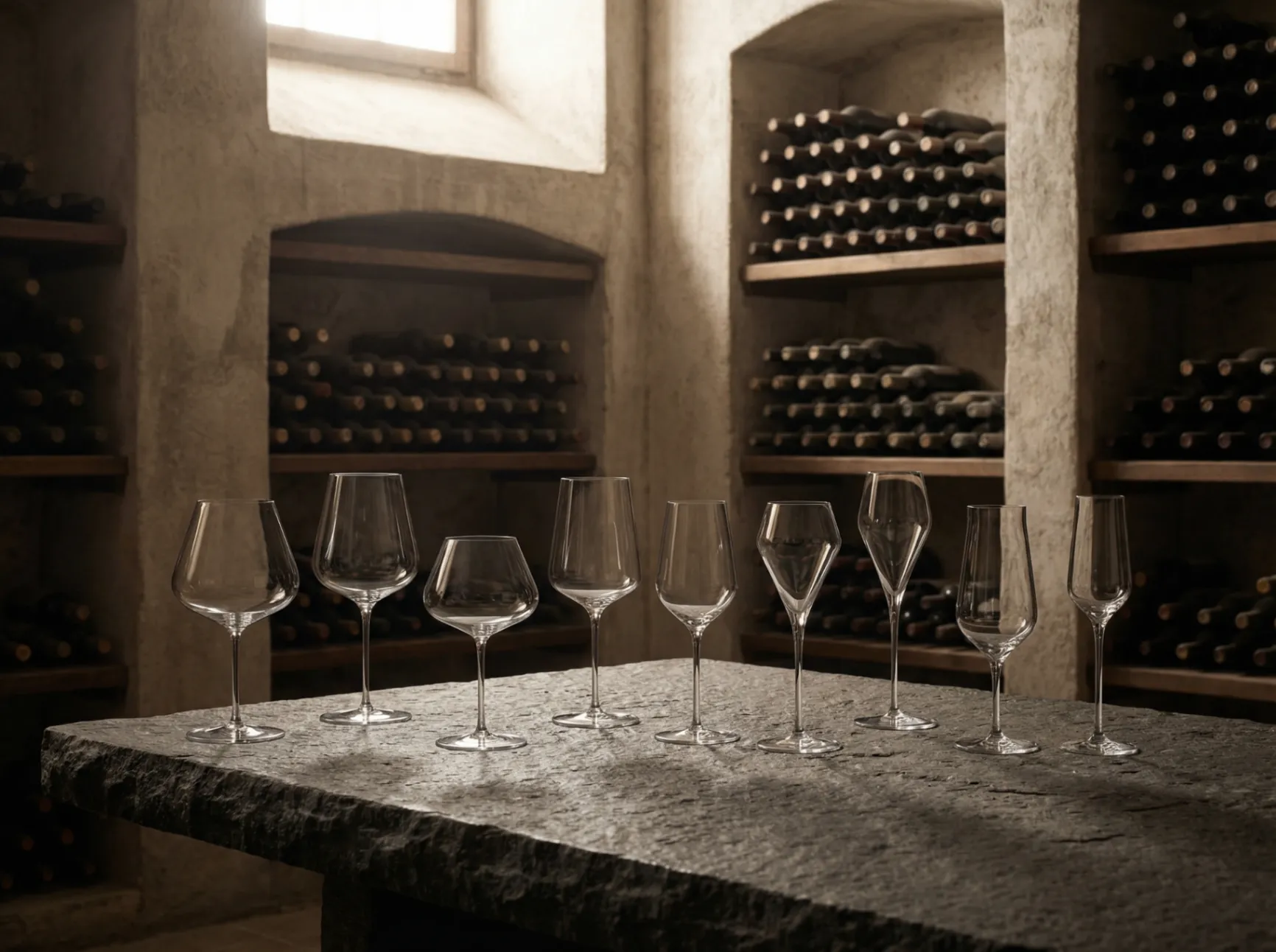
02 · Compare
Zalto, Riedel, Schott Zwiesel and Chef & Sommelier, side by side — what each one is actually for, and who should skip it.
See the comparison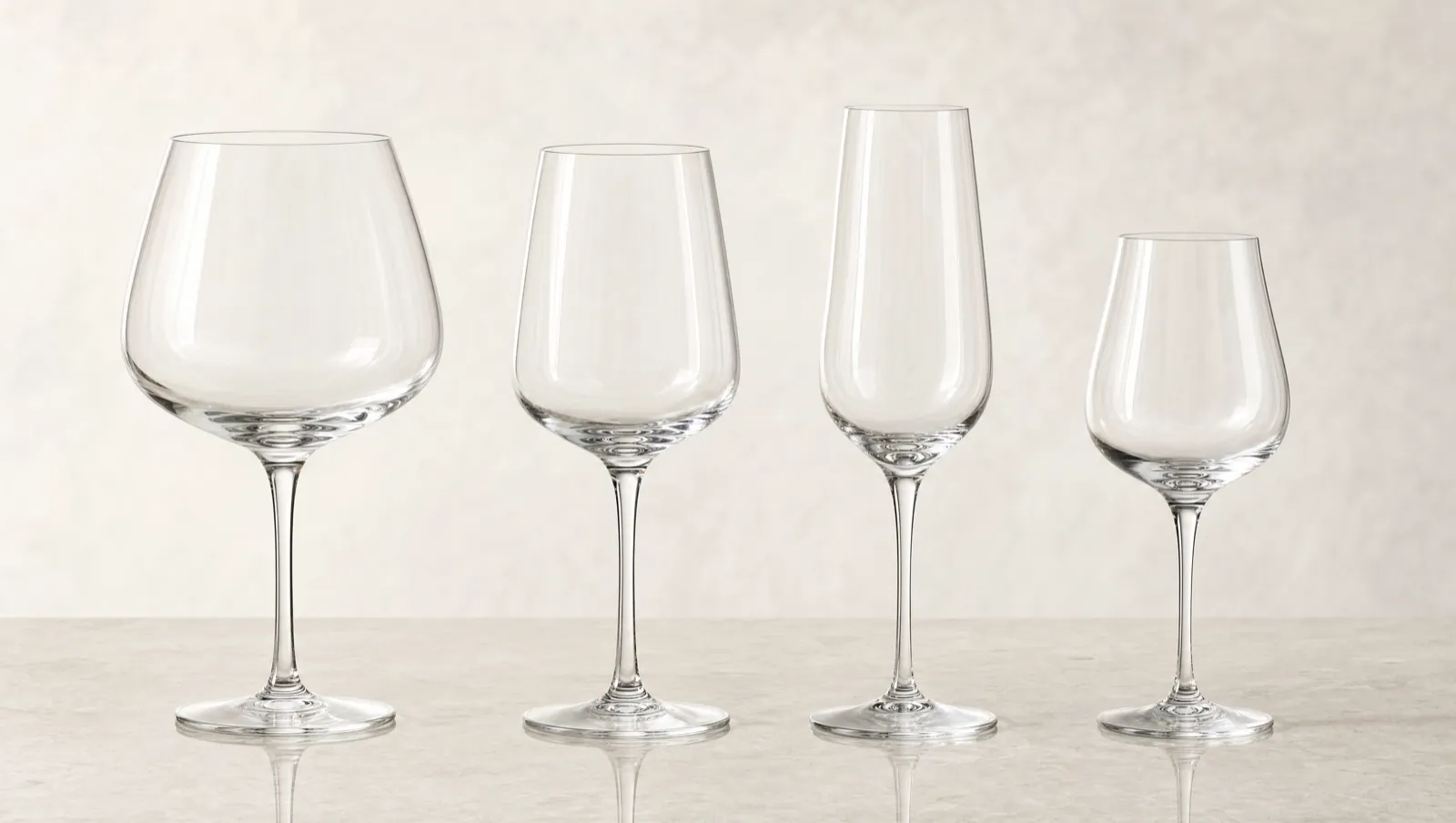
03 · Before you buy
Rim thickness, bowl volume, stem length and material — the four things worth checking before anything else.
Read the buyer's guide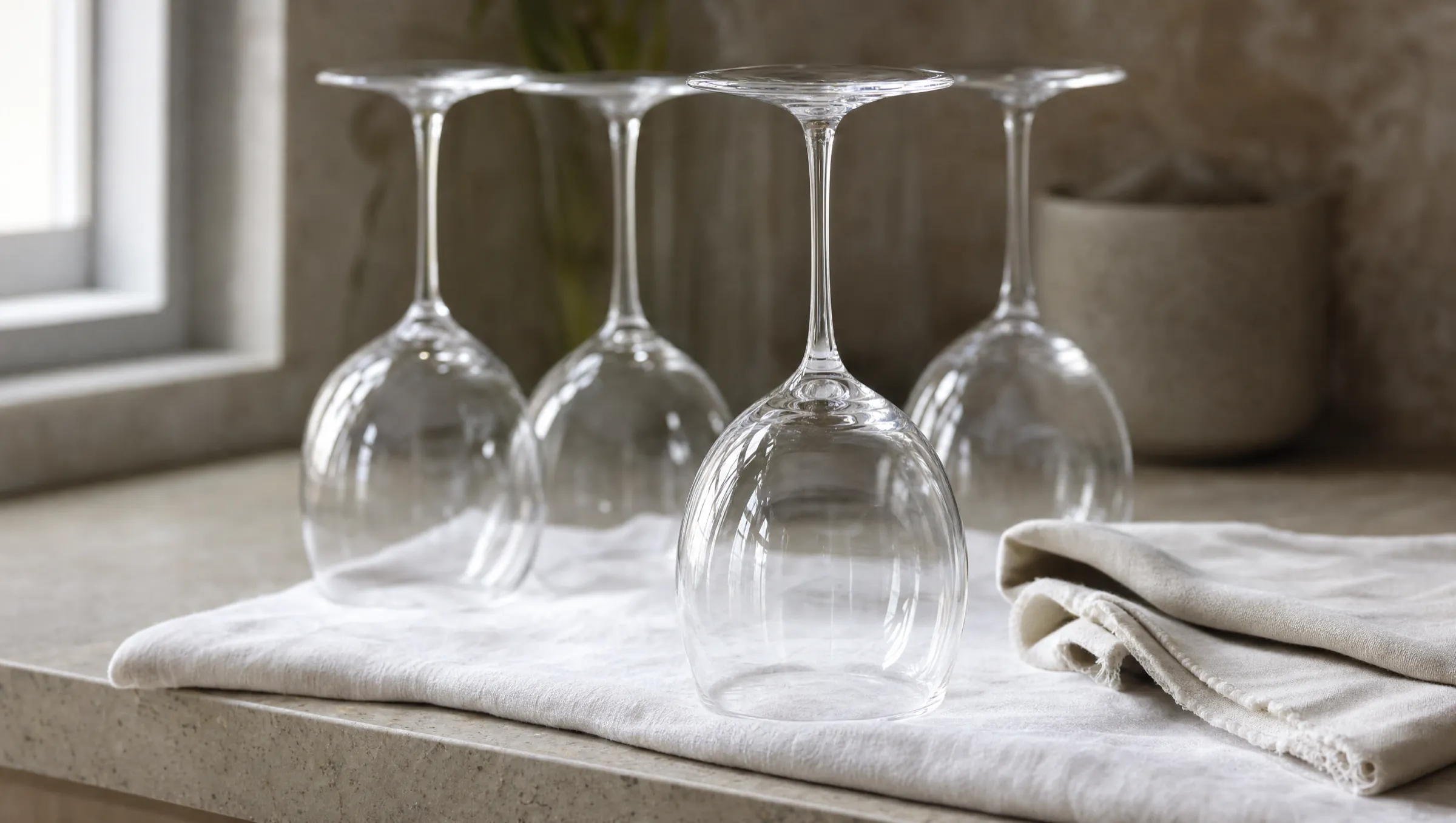
04 · Keeping them
Washing, drying, storing and transporting thin-rimmed crystal without losing any of it.
Open the care guideNew from the sommelier
The sommelier’s guide
After 15 years as a sommelier, I choose a glass by the wine and the moment. Here is my glass for each one.
By Alper Billik, Advanced Sommelier
What are you buying for?
Read the sommelier’s guideThe idea
A universal wine glass is one stemmed glass shaped to handle red, white, rosé and sparkling wine rather than a different bowl for each grape. The bowl is usually a 450–550 ml tulip — wide enough at the base to swirl, tapered at the rim to concentrate aroma. It is the shape most working sommeliers keep at home, because it covers almost everything without filling a cabinet.
For nearly all still wine, yes. A good universal bowl shows Cabernet, Pinot Noir, Chardonnay and Riesling well enough that the difference from a varietal-specific glass is small compared with the difference between a universal glass and a thick, badly shaped one. The one shape genuinely worth adding is a narrow Champagne tulip for sparkling wine.
The Zalto Denk'Art Universal (530 ml, mouth-blown in Austria) is the reference point and the shape most working sommeliers keep at home. Riedel is the most widely stocked mainstream option. Schott Zwiesel's titanium-reinforced Tritan is the one to buy for daily use and the dishwasher, and Chef & Sommelier covers the same idea on a budget.
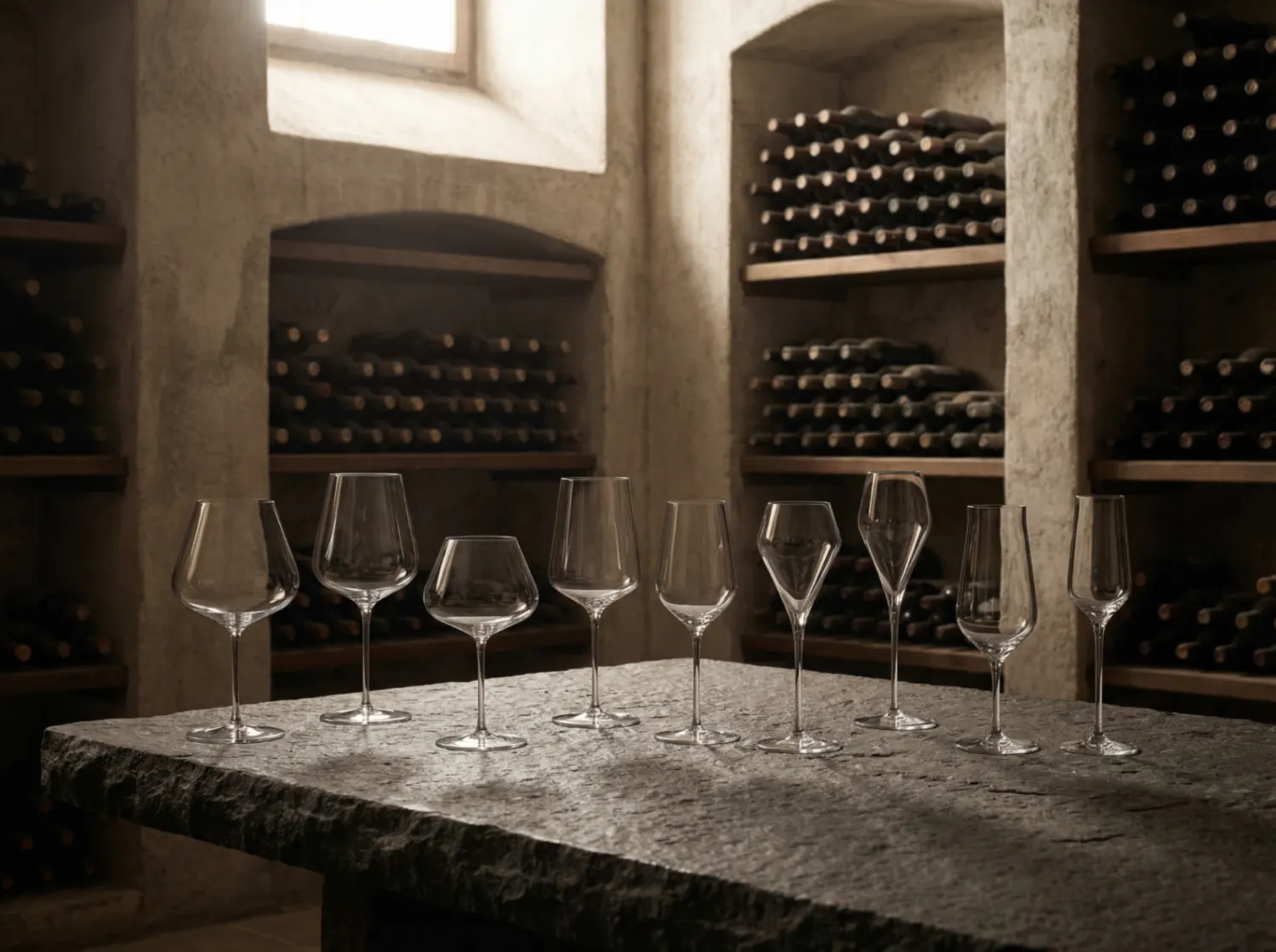
The reference standard — and who should not buy it

Varietal shapes, machine-made, easy to replace

Tritan crystal. The one you stop worrying about
Every glass on this site was chosen on shape, rim and weight. Where we haven't held one in service, the page says so.
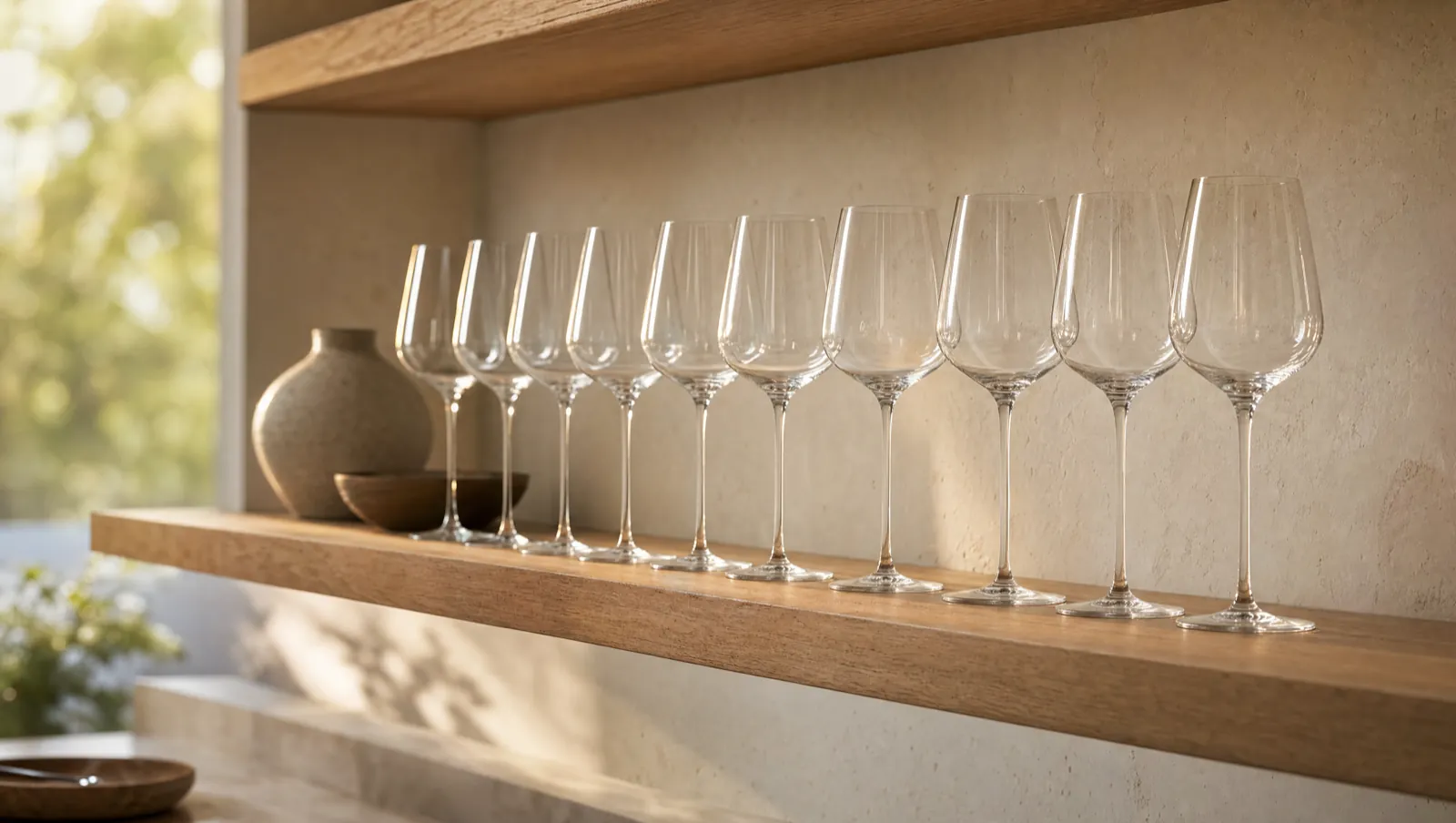
Racks, shelves and the mistakes that chip rims

Real crystal at a budget price
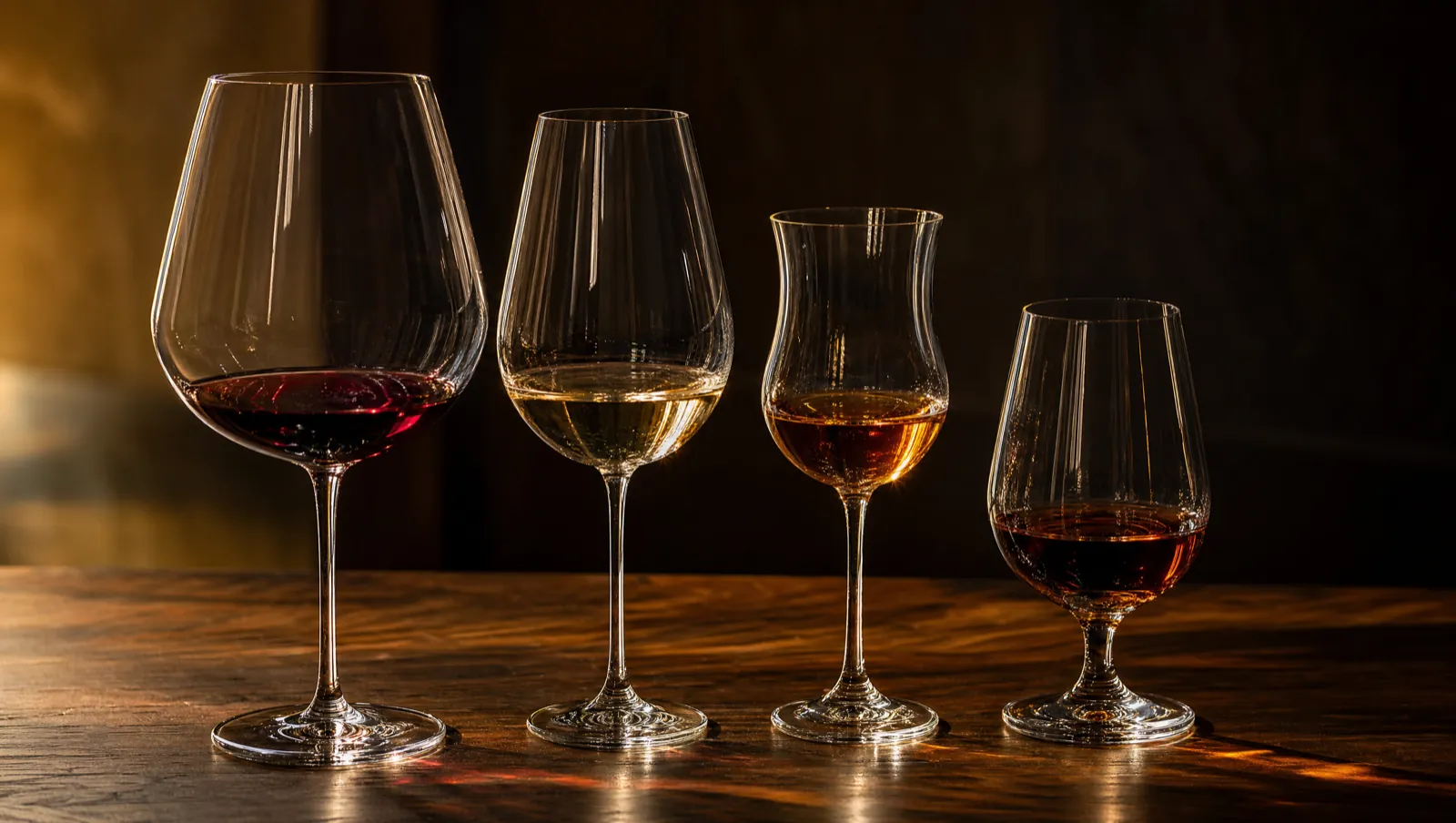
There is no best wine glass. There is your favorite.
Rim, bowl, stem and material — what actually matters
Editor's Pick — Start Here
If you just want the best glass and skip the research: the Zalto is our overall pick for aroma and feel. Price level $$$$
Quick Comparison
All 4 glasses work for any wine. The difference is in how much you value aroma clarity vs. durability and price.
Best Overall
Best For: Enthusiasts who want the best
Most Trusted
Best For: Those who want a proven standard
Most Durable
Best For: Daily use & busy households
Best Value
Best For: Budget-conscious buyers
Links to Amazon are affiliate links. If you buy through them, we may earn a small commission at no extra cost to you. This helps us keep the site running.
Not sure where to start? Tell the Glass Finder how you drink and what you're pouring, and it points you to the right glass — and where to buy it.
Pick the wine you drink most. Each guide shows the right shape, the aromas to expect and the glasses to buy.
Good wine glasses are fragile. Most break from how they're washed, stored or handled — not because they're defective. Here's what actually works, from 20+ guides.
Explore All 20+ GuidesUniversalWineGlasses.com is an independent guide by Alper Billik, an Advanced Sommelier with 15 years in wine service, published under his studio SOMM DIGI. No brand pays for placement. The crystal picks come from years of real service, and every page says when a pick was judged from its materials instead.
“Every recommendation here comes from the floor — built by someone who’s lived it, not just studied it.”